Fractional or Full-Time Help? Growing a Business Requires Founders to Know the Difference

Fractional or Full-Time Help? Growing a Business Requires Founders to Know the Difference
Although hiring help requires an investment early on, it saves a company money in the long run.

Photo: Getty Images
Hiring a team can be daunting for many founders, especially when it’s their first company. It’s like leaving your toddler with a babysitter for the first time. Trust me, I get it. One mistake can be detrimental. If you bring in the wrong person to a team, it can derail any progress made and cost you thousands in the process. That’s why hiring fractional help can be of assistance.
Think about it like testing before buying. But when should a company seek full-time help and when is it better to go with fractional hires? There are some important factors to consider.
How to tell if you need help
If any of the following are true, you’re overdue for a hire or more. These are just a few of the main pain points.
·You’re replying to customer support at midnight.
·You’re spending more time on spreadsheets than on strategy.
·Your to-do list seems to be never ending.
·You’re managing people and projects that should be done by someone else.
As a CEO, when you spend too much time on work outside of your expertise, you know support of some kind is necessary. Many CEOs get stuck in the doing—managing projects, overseeing tasks, and solving immediate problems. They may be the busiest people in the business, but unfortunately that often does not translate to revenue. Hiring experts to fill your gaps is the best way to grow sustainably.
A few years ago, a founder contracted me to help with declining profits and “hiring problems.” Within two weeks of discovery interviews, the real picture became clear. He was spending more than 80 hours a week managing his team members and completing tasks far below his pay grade. The interesting part is that he had a team to rely on, but he didn’t have the tools to succeed with the team.
Consequently, he had no time to grow the company. That was the real issue. I persuaded him to bring in a fractional chief of staff and that completely transformed his organization. The CEO’s mindset shifted from reactive to proactive, and two years later, he sold the company for $2 billion.
Fractional versus Full-time
You know you need help, but you’re unsure what type. If you don’t have enough work for someone to fill the role full time, but you need the help of an expert, fractional is the way to go.
When I first founded my company, I hired a fractional social media expert. I am a Baby Boomer, so it is the furthest thing from my expertise. Years later, when I had the funds and many more projects to delegate, I hired a social media manager full-time. Another reason to make a fractional hire is when you simply can’t afford full-time help. Expert fractional work won’t be cheap, but it will give you an expert for less money.
The long-term effect
A mistake I see many founders make is not hiring help soon enough. Although it requires investment early on, it saves a company money in the long run.
Imagine you attempt to do it all yourself for the first few years. You will save cash in the short term, but it will cost you in the slowed and possibly stagnant growth of your company. One person can’t effectively do the work of many people. Also, it’s 2025. Everything moves faster than ever before, and without the proper help, you can quickly have a disaster on your hands. Instead, make a small investment now to prevent turning into one of many organizations that operate reactively rather than proactively.
The training factor
Then there is the training factor in order to get full or fractional new hires up and running.For customer facing positions it’s important to have well defined customer service standards.Many of our clients print out a blank shopping report and send out new hires to conduct a mystery shop at the competition.This helps the new-hire understand your expectations and to see a sales transaction from the customer’s perspective.
We’re here to help you develop and grow your customer service culture.Give us a call.
EXPERT OPINION BY CAROL SCHULTZAND CARL PHILLIPS
Services
A menu of themystery shopswe offer
The chain is upgrading its menu, but that won’t be enough for me.
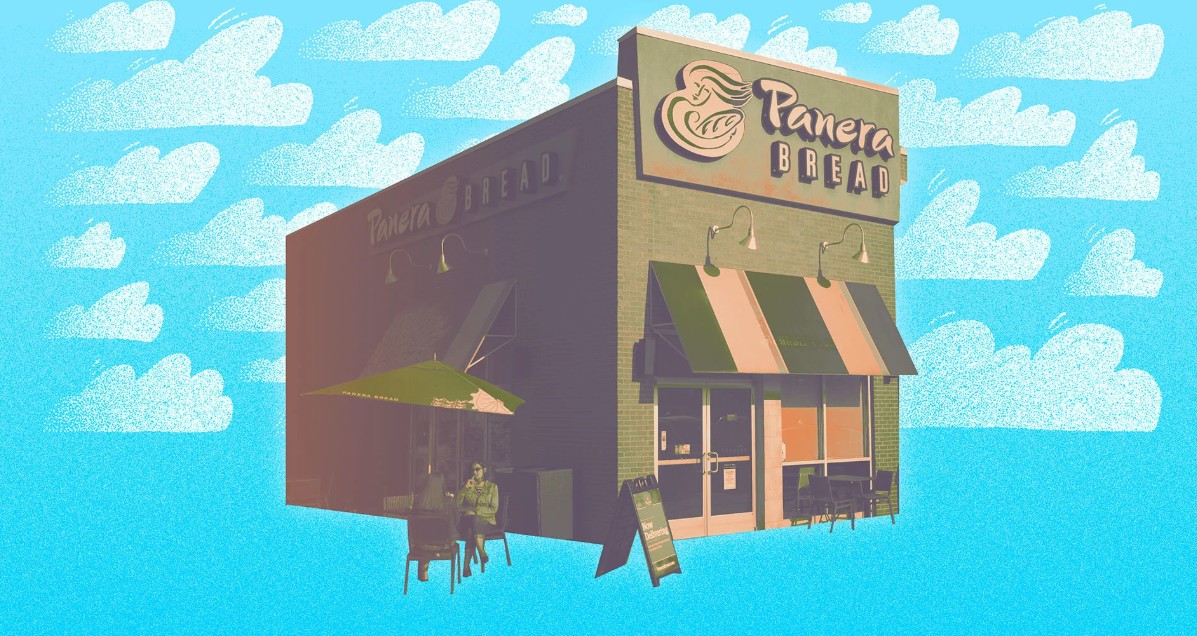
Photo: Getty Images
I still remember when Panera Bread opened in Kingston, New York. There were many restaurants around it, but Panera quickly became my default, especially when shopping nearby. It had everything I wanted. There were booths where I could hang out and talk with friends or work. There was great coffee, but I could also get a good, non-prepackaged meal. If I wanted a caloric splurge, there were pastries, freshly baked in the store.
The space itself was comfortable and inviting, with blond wood everywhere and a crew of employees taking orders, making food, and keeping everything clean. I spent countless hours there eating salads and soups, and I often went home with a bag of Asiago cheese bagels. It was unlike any other coffee or fast-casual chain, and I loved it.
Eventually, I met the store’s manager, who told me it was known as one of the best stores in the chain. When I moved out of the area, I saw what he meant. I tried other locations, but they were never as nice, especially in the past few years. The food might have been appealing, but the spaces weren’t. Tables could sit for hours without being cleared. Floors often needed vacuuming. The welcoming vibe was completely missing. Panera stopped being my default.
I forgot about Panera
CEO Paul Carbone told The Wall Street Journal that customers didn’t dislike Panera, they had simply forgotten about it. That’s precisely what happened with me. There were plenty of other places to sit with a coffee and a laptop in a pleasant environment. There were also plenty of places to get a great salad or a yummy cheese bagel. Panera disappointed me too many times and I stopped thinking about it.
Now the chain says it will spend an unspecified sum in the millions to bring customers like me back again. A lot of this investment seems to be centered on menu improvements, such as switching back from a romaine-iceberg lettuce mix to all-romaine, and slicing cherry tomatoes in half. And it will add counter staff so that people have the option to order from a human rather than a kiosk.
That all sounds great. But to me, what made Panera unique, and uniquely appealing, was the fact that it was an inviting place to hang out and drink good coffee and also a good place to have an inexpensive, freshly made meal. Sliced cherry tomatoes and friendly counter staff won’t bring me back if the space itself still feels unwelcoming and unkempt. I really hope this overhaul addresses those issues. Because I’d love to be a Panera regular again.
I beg to differ
Certainly a comfortable place with good quality food is important but the customer experience is ranked at the top for maintaining a strong customer base.Nothing beats a great smile, friendly service AND someone who remembers your name and order because you’re a regular.
Do you have a strong customer service culture? We can help you develop one and monitor it’s consistency.We’re here to help, give us a call.
EXPERT OPINION BY MINDA ZETLIN AND CARL PHILLIPS
Let’s Make Your Business Better — Click To Learn How
Menu Of The Mystery Shopper Services We Offer

